

Unveiling the World of Rare Indian Teas: Discover Rare Teas India Benefits

India is a land of diverse flavors and rich traditions, and its tea culture is no exception. While many are familiar with the classic Darjeeling or Assam teas, there exists a fascinating world of rare Indian teas waiting to be explored. These teas offer unique aromas, tastes, and health benefits that can elevate your tea experience to new heights. Today, I invite you to join me on a journey through the enchanting realm of rare Indian teas, where every sip tells a story of heritage, craftsmanship, and nature’s bounty.
Exploring Rare Teas India Benefits: Why These Teas Are Special
Rare Indian teas are not just beverages; they are treasures crafted with care in select regions, often grown in limited quantities. Their rarity comes from unique growing conditions, traditional processing methods, and the dedication of tea artisans. But what makes these teas truly special are the benefits they bring to your cup and your well-being.
Distinctive Flavors and Aromas: Rare teas often have complex flavor profiles, ranging from floral and fruity to smoky and earthy. These nuanced tastes make each brew a delightful sensory experience.
Health Advantages: Many rare teas are rich in antioxidants, vitamins, and minerals. They can support digestion, boost immunity, and promote relaxation.
Cultural Heritage: Drinking rare teas connects you to centuries-old traditions and the stories of the communities that nurture these plants.
Sustainability: Small-batch rare teas often come from sustainable farms that prioritize environmental care and fair labor practices.
For example, the delicate muscatel notes of a high-altitude Darjeeling or the subtle sweetness of a hand-rolled Nilgiri tea can transform your tea ritual into a moment of pure pleasure. These benefits make rare teas a perfect gift for those who appreciate the finer things in life.

The Art and Craft Behind Rare Indian Teas
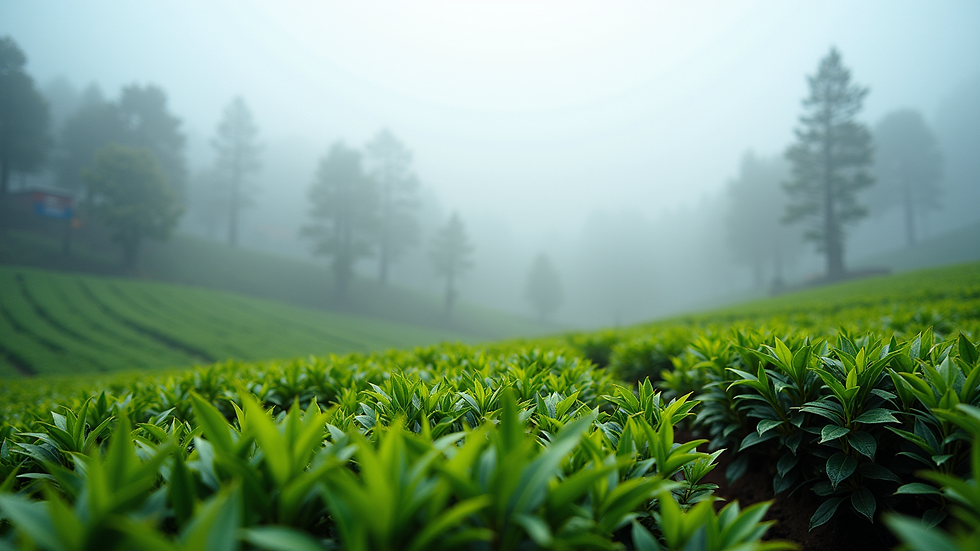
The journey of rare Indian teas begins in the misty hills and fertile valleys where tea bushes thrive under ideal conditions. What sets these teas apart is the meticulous care taken at every stage:
Selective Plucking: Only the youngest, tender leaves and buds are handpicked to ensure quality.
Traditional Processing: Many rare teas undergo unique processing methods such as withering, rolling, oxidation, and drying, often done by skilled artisans using age-old techniques.
Small Batch Production: Limited quantities are produced to maintain exclusivity and preserve the delicate flavors.
Aging and Storage: Some rare teas are aged to develop deeper flavors, requiring careful storage in controlled environments.
This craftsmanship results in teas that are not only flavorful but also rich in character. When you brew these teas, you can almost taste the dedication and passion infused in every leaf.
Where is Oolong Tea Grown in India?
Oolong tea, known for its semi-oxidized leaves and complex flavor, is a rare gem in the Indian tea landscape. While India is famous for its black and green teas, oolong cultivation is relatively limited but growing in popularity.
The primary regions where oolong tea is grown in India include:
Darjeeling: The cool climate and high altitude of Darjeeling create perfect conditions for producing delicate oolong teas with floral and fruity notes.
Assam: Some estates in Assam have started experimenting with oolong production, resulting in teas with a robust and malty character.
Nilgiri Hills: The southern Nilgiri region offers a unique terroir that imparts a smooth and slightly sweet flavor to oolong teas.
If you are curious about experiencing a truly unique brew, I recommend trying the rare oolong tea from India. This tea captures the essence of Indian terroir and artisanal skill, offering a taste that is both exotic and comforting.
How to Enjoy and Store Rare Indian Teas for Maximum Flavor
To fully appreciate the delicate flavors and aromas of rare Indian teas, it’s important to brew and store them properly. Here are some practical tips:
Brewing Tips
Use Fresh, Filtered Water: The quality of water affects the taste. Avoid hard or chlorinated water.
Mind the Temperature: Different teas require different water temperatures. For example, oolong teas brew best between 85-95°C, while green teas prefer slightly cooler water.
Steep Time: Over-steeping can make tea bitter. Follow recommended steeping times, usually 2-4 minutes for rare teas.
Use Proper Teaware: Porcelain or glass teapots preserve the tea’s flavor better than metal ones.
Storage Tips
Keep Away from Light and Air: Store tea in airtight containers to prevent oxidation.
Avoid Moisture: Tea leaves absorb moisture easily, which can spoil their flavor.
Cool and Dry Place: A pantry or cupboard away from heat sources is ideal.
By following these simple steps, you can enjoy the full spectrum of flavors and benefits that rare Indian teas offer, cup after cup.
The Future of Rare Indian Teas: A Legacy Worth Savoring
As tea lovers, we are fortunate to witness a revival of interest in rare Indian teas. Small estates and family-run farms are preserving traditional methods while embracing sustainable practices. This ensures that the legacy of these exquisite teas continues for generations.
Supporting these producers means you are not only indulging in exceptional teas but also contributing to the preservation of cultural heritage and environmental stewardship. Whether you are selecting a gift or expanding your personal collection, rare Indian teas offer a meaningful and memorable experience.
I encourage you to explore these treasures, savor their unique qualities, and share their stories with fellow tea enthusiasts. Your journey into the world of rare Indian teas is just beginning, and every cup promises a new discovery.

Embracing rare Indian teas is more than just enjoying a drink - it’s about connecting with a rich tradition and celebrating the artistry behind every leaf. So, why not treat yourself or a loved one to the exquisite flavors and benefits of these rare gems? Your tea journey awaits.


Comments