

Exploring Bengal Tea Traditions: Understanding the Tea Culture of West Bengal

When you think of tea, what comes to mind? For many, it’s a simple cup of warmth to start the day or a comforting ritual in the afternoon. But in West Bengal, tea is much more than just a beverage. It’s a rich tradition, a cultural emblem, and a way of life that has been nurtured for generations. As someone who has spent years immersed in the world of tea, I find the tea culture of West Bengal endlessly fascinating. Let me take you on a journey through this vibrant tradition, sharing insights and stories that bring Bengal’s tea heritage to life.
The Heart of Bengal Tea Traditions
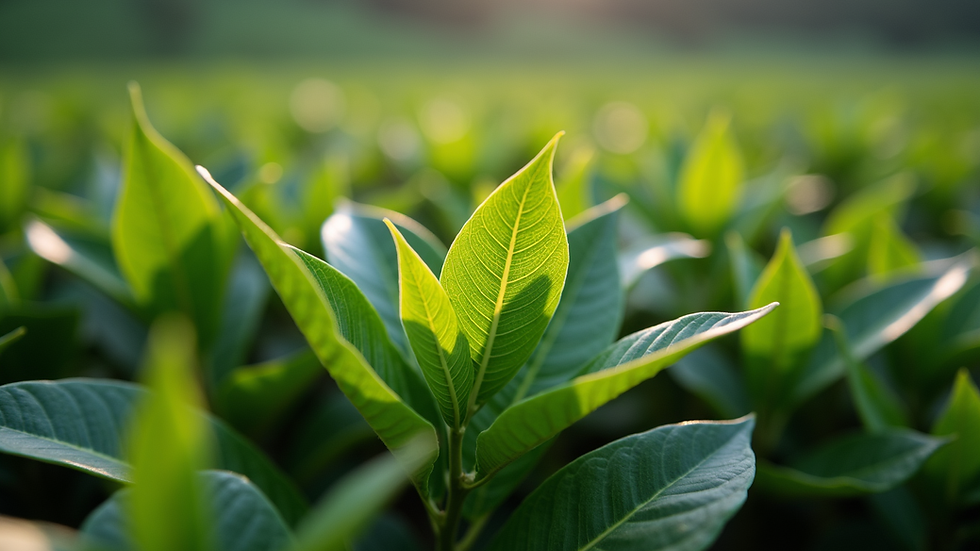
West Bengal’s tea culture is deeply rooted in its history and geography. The region’s lush hills and fertile plains provide the perfect environment for tea cultivation. Places like Darjeeling and Dooars are world-renowned for their exquisite teas, each with unique flavors shaped by the local climate and soil.
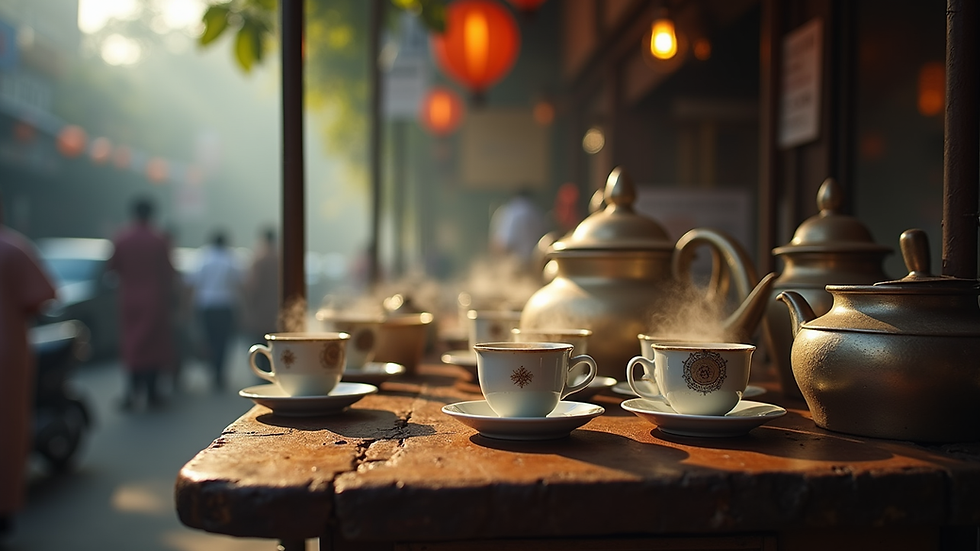
What makes Bengal tea traditions so special is the way tea is woven into daily life. It’s not just about drinking tea; it’s about the experience. From the bustling tea stalls in Kolkata to the serene tea gardens in the hills, every cup tells a story. The aroma of freshly brewed tea, the clinking of clay cups, and the lively conversations around them create a sensory tapestry that is both comforting and invigorating.
If you ever visit a traditional tea house in Kolkata, you’ll notice the care taken in preparing each cup. The tea is often brewed strong, with a generous splash of milk and a hint of cardamom or ginger. This style reflects the local palate and the desire for a robust, flavorful drink that can be savored slowly.
The Rituals and Social Significance of Tea in Bengal
Tea in West Bengal is more than a drink; it’s a social glue. It brings people together, whether in homes, offices, or street corners. Sharing a cup of tea is an invitation to pause, connect, and enjoy a moment of warmth and hospitality.
In many Bengali households, tea time is a cherished ritual. It often coincides with snacks like rosogolla or samosa, creating a perfect balance of sweet and savory. This pairing enhances the tea experience, making it a delightful treat rather than just a caffeine fix.
Tea also plays a role in celebrations and gatherings. Offering tea to guests is a sign of respect and care. It’s common to see families and friends bonding over multiple rounds of tea, each cup sparking new conversations and laughter.
For those who appreciate the finer details, Bengal tea traditions offer a rich palette of flavors and aromas to explore. Whether you prefer the briskness of a Darjeeling first flush or the malty depth of a Dooars blend, there’s a tea to suit every mood and moment.
What are the 4 types of tea?
Understanding the different types of tea can deepen your appreciation for Bengal’s tea culture. The four main types of tea are:
Green Tea - Light and fresh, green tea is minimally oxidized. It retains a grassy, vegetal flavor and is prized for its health benefits.
Black Tea - Fully oxidized, black tea has a strong, bold flavor. This is the most common type found in Bengal, often brewed with milk and spices.
Oolong Tea - Partially oxidized, oolong tea strikes a balance between green and black tea. It offers a complex flavor profile with floral and fruity notes.
White Tea - The least processed, white tea is delicate and subtle. It has a light, sweet taste and is often enjoyed without milk or sugar.
In West Bengal, tea dominates, especially in the form of chai - a spiced, milky brew that’s both comforting and invigorating. However, the region’s tea gardens also produce exquisite Darjeeling teas, which include some of the finest black and oolong varieties in the world.
How to Enjoy Bengal Tea Traditions at Home
If you want to bring a touch of Bengal’s tea culture into your own home, here are some practical tips:
Choose quality tea leaves: Opt for loose-leaf teas from trusted sources. Darjeeling and Dooars teas are excellent choices for authentic Bengal flavors.
Brew with care: Use fresh water and steep the tea leaves for the right amount of time - usually 5 minutes for black tea. Avoid over-brewing to prevent bitterness.
Add traditional spices: Cardamom, ginger, and cinnamon are common additions that enhance the flavor and aroma.
Serve in small cups: Clay cups or small porcelain cups add to the sensory experience and keep the tea warm longer.
Pair with snacks: Try traditional Bengali sweets or savory snacks to complement your tea.
By following these steps, you can create a tea experience that honors the rich heritage of Bengal tea traditions and delights your senses.
The Future of Bengal Tea Traditions
As tea lovers, we cherish the legacy of Bengal’s tea culture. But it’s also exciting to see how this tradition is evolving. New generations of tea growers and enthusiasts are blending innovation with respect for heritage. Sustainable farming practices, organic teas, and artisanal blends are gaining popularity, ensuring that Bengal’s tea culture remains vibrant and relevant.
For those who appreciate fine teas and thoughtful gift-giving, Bengal teas offer a meaningful choice. A carefully selected tea from this region is not just a gift; it’s an invitation to experience a world of flavor, history, and warmth.
Whether you’re sipping a cup in a bustling Kolkata tea house or enjoying a quiet moment at home, the spirit of Bengal’s tea traditions is always present. It’s a celebration of nature, culture, and connection - a timeless ritual that continues to inspire and delight.
I hope this glimpse into the world of Bengal tea traditions inspires you to explore and savor the unique flavors and stories behind every cup. Remember, tea is not just a drink - it’s an experience waiting to be discovered.
Happy sipping!


Comments